

Can two AI image generators produce equally stunning visuals yet differ in how accurately they follow instructions? OpenAI's GPT Image 2.6 and Google's Nano Banana 2.1 both promise impressive results, but subtle details like object placement, composition, and visual consistency can separate a beautiful image from a usable one.
To find out, we challenged both models with four identical prompts covering sports photography, scientific diagrams, pixel art, and product packaging. In this article, we'll compare their results and discover which model handles visual precision better.
What are GPT Image 2.6 and Nano Banana 2.1?
GPT Image 2.6
OpenAI released Images 2.6 on November 4, 2026. It generates pictures from text and can use an uploaded image as the starting point for an edit. Flare is the faster option for drafts. We tested Sunburst, which OpenAI recommends at medium or high quality for fine detail and consistency across edits.
Two controls matter here. Quality governs the detail in the rendered picture. Complexity controls how much planning the model does, useful when a drawing has to put several objects in specific places. Developers can also request SVG graphics and preview GIFs through the Images API.
Nano Banana 2.1
Google released Nano Banana 2.1 on October 6, 2026. You can generate a scene, supply references or ask for another edit in the same conversation. Its API accepts up to 14 reference images, offers 1K, 2K and 4K output, and can draw on Google Web and Image Search. Nano Banana Pro is a separate model.
For a closer look at Google’s editing features, see the Nano Banana 2.1 review. The earlier GPT Image 2.5 comparison covers the previous OpenAI generation.
Four image briefs, side by side
We ran each brief once per model at 1024 × 1024. Both used the same 400 × 600 reference for the greenhouse and text alone elsewhere. We checked six details per brief and left ambiguous details open.
| Web app setting | GPT Image 2.6 | Nano Banana 2.1 |
|---|---|---|
| Web app | OpenAI Platform Images playground | Google AI Studio, fresh chat per test |
| Model | gpt-image-2.6-sunburst | gemini-nano-banana-2.1 |
| Controls | Medium quality, default High complexity, one PNG requested | 1K square, Medium thinking, images only, search off |
| Image shown | Full preview captured at 1:1 display scale | Original JPEG export |
OpenAI quality controls and Google thinking levels serve different functions. We kept the captured or exported pixels at their original size. We compared visual results and left speed and cost unmeasured.
Test 1: Freeze a badminton jump smash
The gap between shuttlecock and racket tells you when the photo was taken. The challenge is to preserve that instant while fitting an airborne player and all the equipment in the frame.
Prompt
Create an unsigned courtside photo of an anonymous badminton player mid-smash, seen from behind at a three-quarter angle with both feet airborne. Freeze the player against a green indoor court, frame the full body and raised right-hand racket, and leave a visible gap between the strings and one white shuttlecock.
| GPT Image 2.6 | Nano Banana 2.1 |
|---|---|
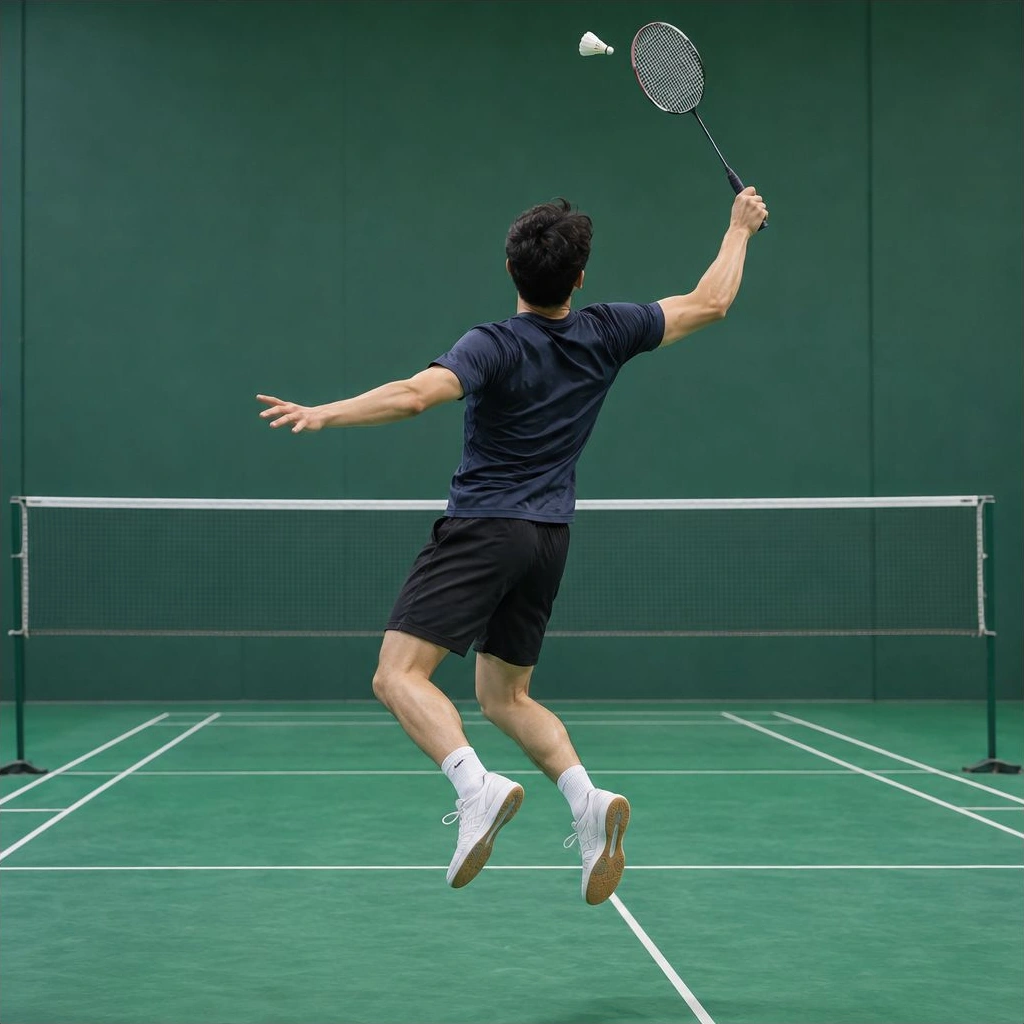 | 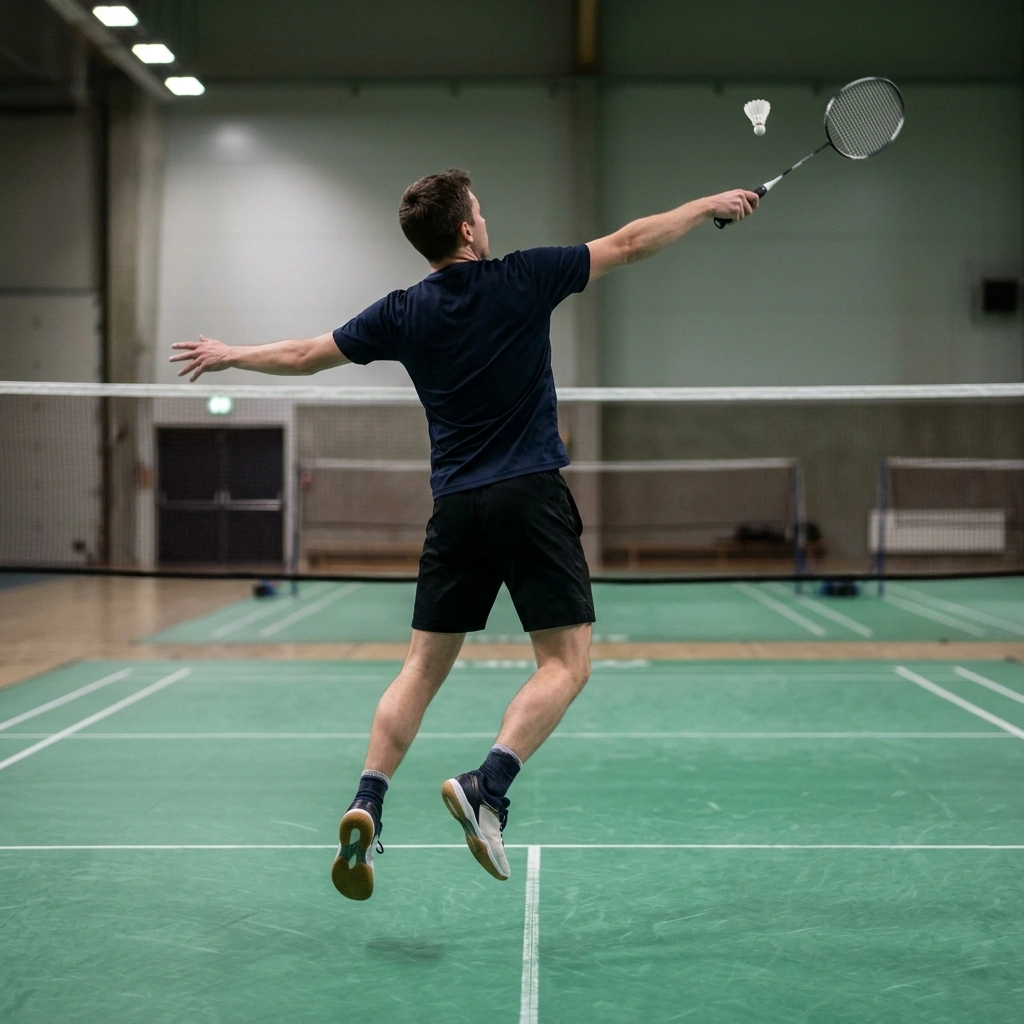 |
Both models passed all six checks. Each player has both feet off the floor, the racket in the right hand and a visible gap before the shuttlecock. The main difference is where your eye goes. GPT Image sets the player against a plain green wall. Nano Banana includes ceiling lights and more of the hall. Either composition works for a sports illustration.
Test 2: Draw the inside of a volcano
A classroom diagram can spell every label correctly and still teach the wrong thing. Follow the red passage from the underground reservoir to the crater at the summit.
Prompt
Draw an anonymous, unsigned side-on volcano cutaway with a red-orange magma reservoir feeding a continuous vertical vent that opens into the summit crater. Place “MAGMA RESERVOIR”, “CENTRAL VENT” and “CRATER” outside the cone, each with a separate line pointing to the correct feature.
| GPT Image 2.6 | Nano Banana 2.1 |
|---|---|
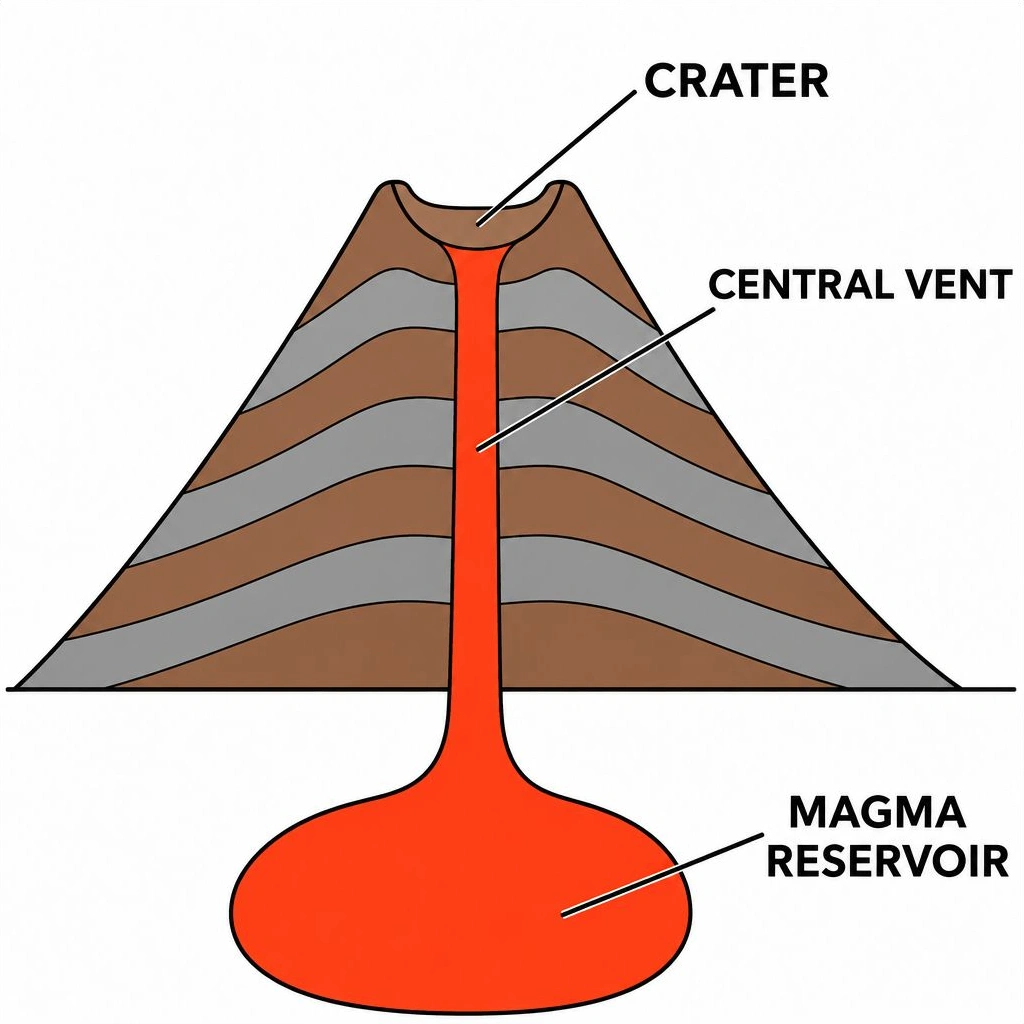 | 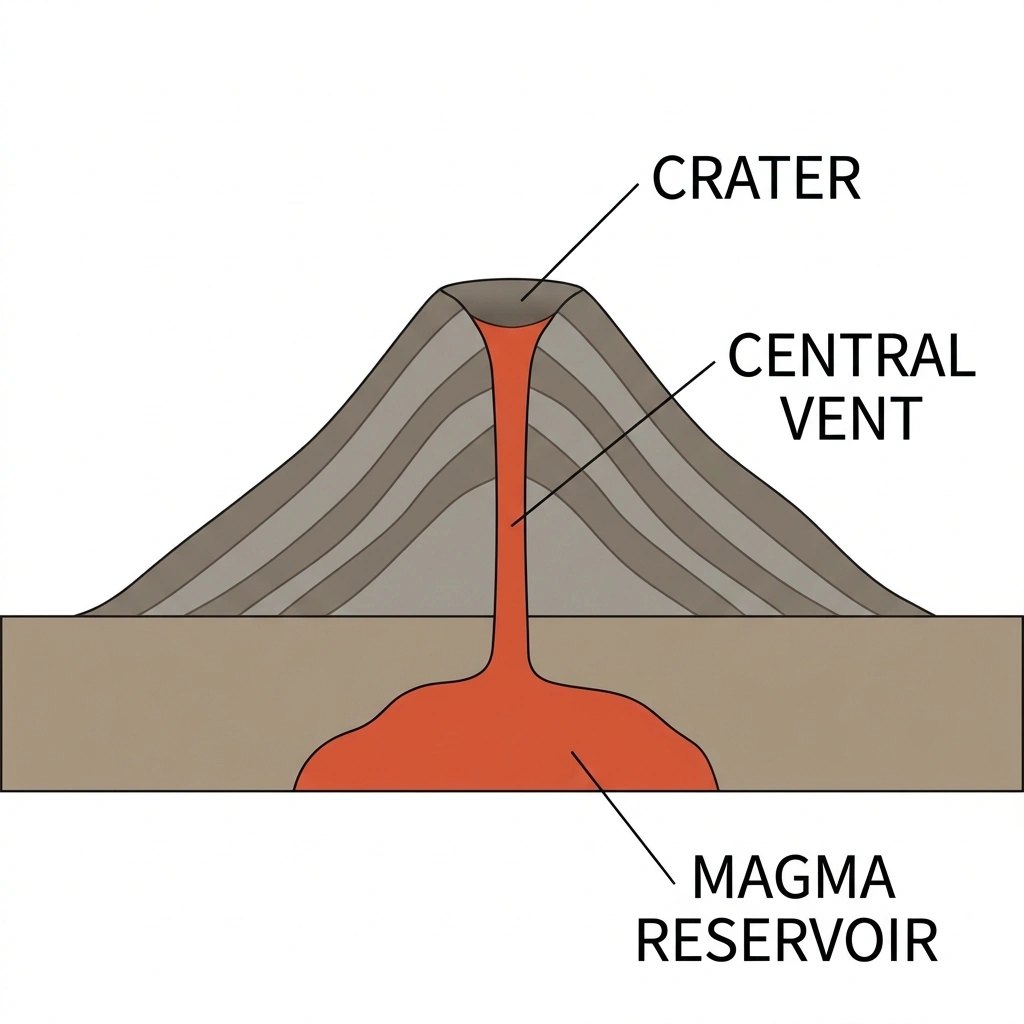 |
Both models spell all three labels correctly and lead each line to the right feature. GPT Image draws a rounded reservoir. Nano Banana’s reservoir reaches the lower edge of the cutaway. Either treatment shows where the central vent begins.
The bigger question is where it ends. In both drawings a line crosses the top of the red passage, so it’s hard to tell whether the vent opens into the crater. I’d have a teacher check that junction before using either image in class.
Test 3: Borrow a pixel-art style for a lunar greenhouse
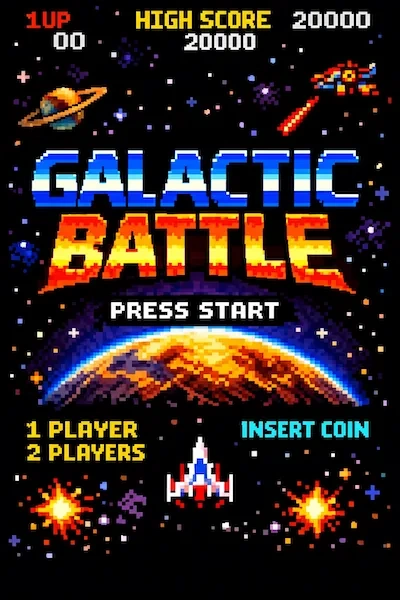
We supplied the arcade artwork below as a style reference. The new scene called for the same crisp pixels and limited shading, with a completely different set of objects.
Prompt
Match the reference’s pixel-art style in an anonymous, unsigned lunar scene with one rover left of a greenhouse dome and one dish to its right. Show two planted beds separated by a walkway inside the dome, with Earth in the upper-left sky.
| GPT Image 2.6 | Nano Banana 2.1 |
|---|---|
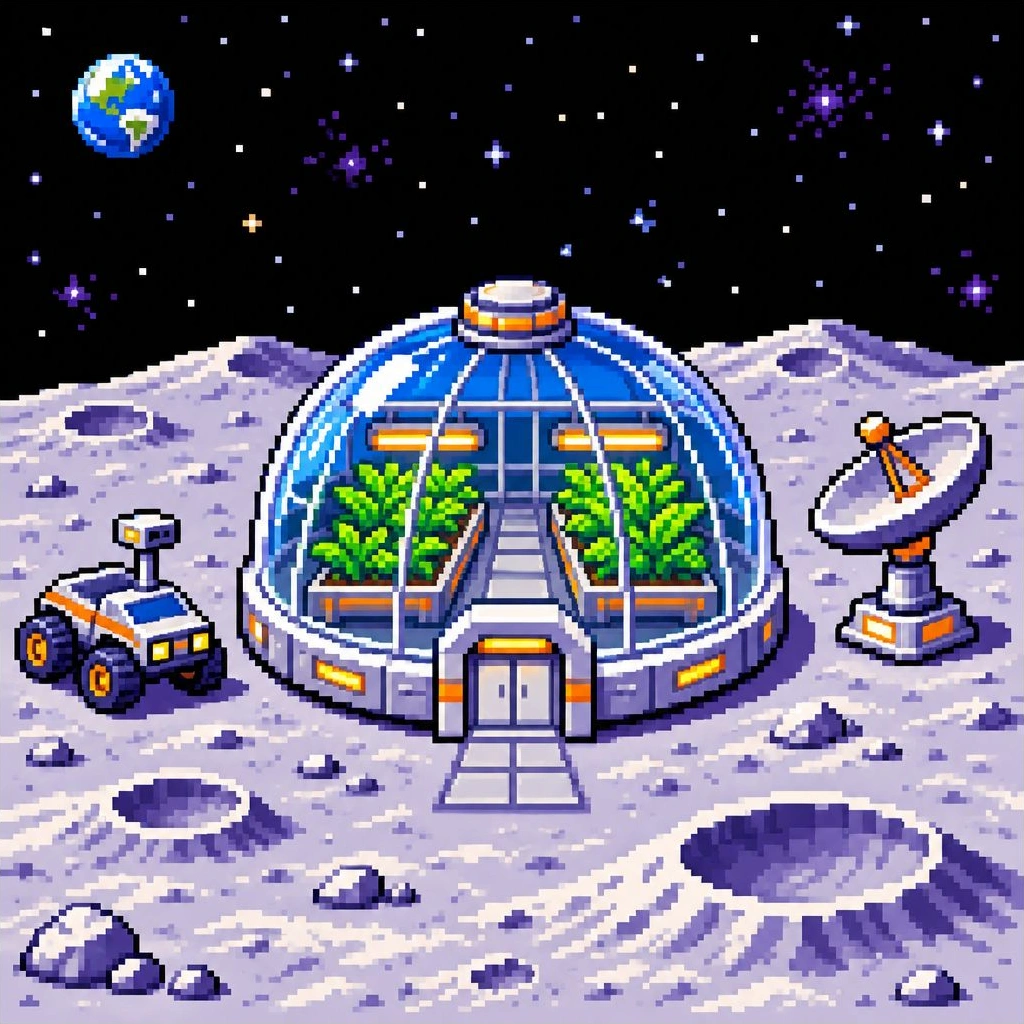 | 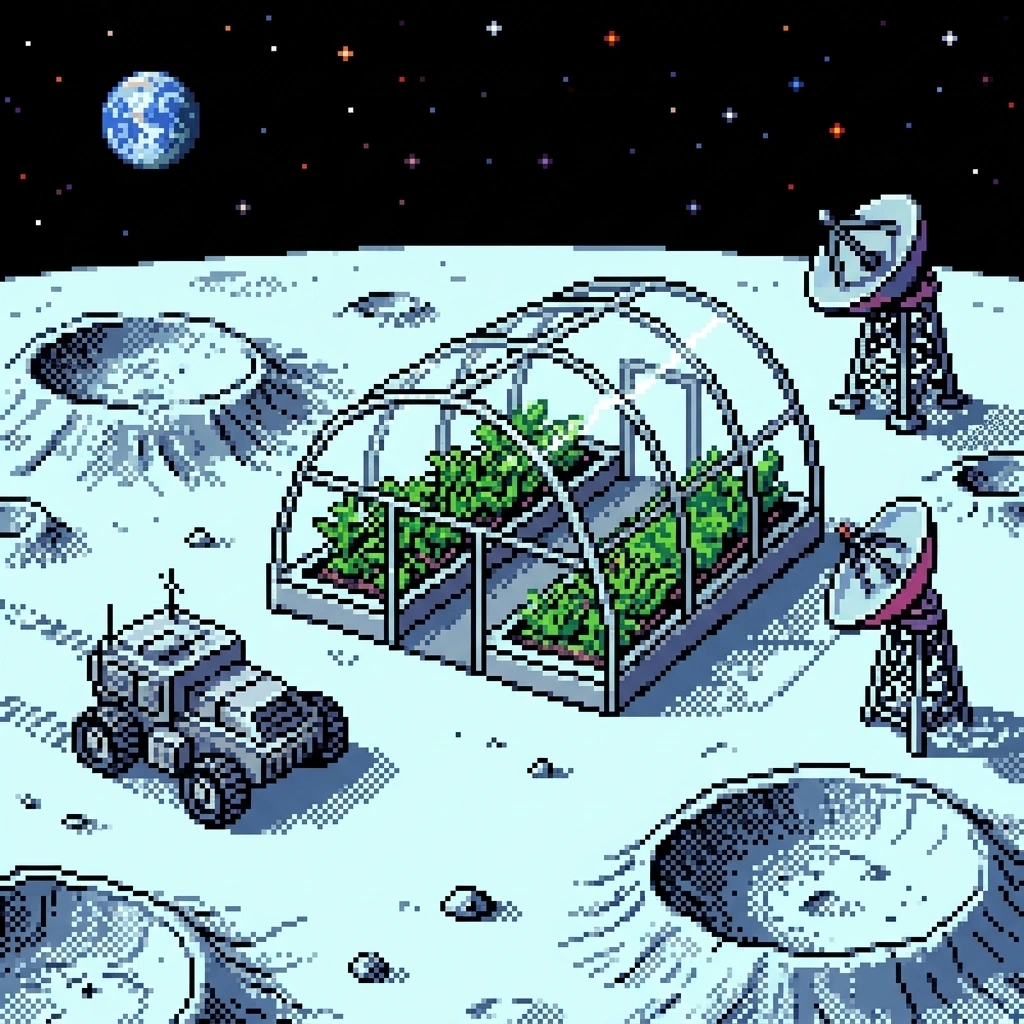 |
Both translated the arcade style into a lunar scene. The easiest way to tell the results apart is to count the equipment.
GPT Image puts one rover on the left and one dish on the right. Inside the dome, a clear walkway separates two long planted beds.
Nano Banana adds a second dish. The tray boundaries also make it hard to tell where one raised bed ends and the next begins.
Test 4: Put the right artwork on each face of a tea carton
A three-quarter product shot has to carry the design around two corners. Look for the spelling on the front, the position of the stripe on the right and where the shadow ends.
Prompt
Show an anonymous, unsigned tea carton in three-quarter view, with “BLACK TEA” above “12 SACHETS” on the cream front, one orange stripe near the outer edge of the navy right panel and a plain orange lid. Light it from the upper left and fit the entire box and its shadow in frame.
| GPT Image 2.6 | Nano Banana 2.1 |
|---|---|
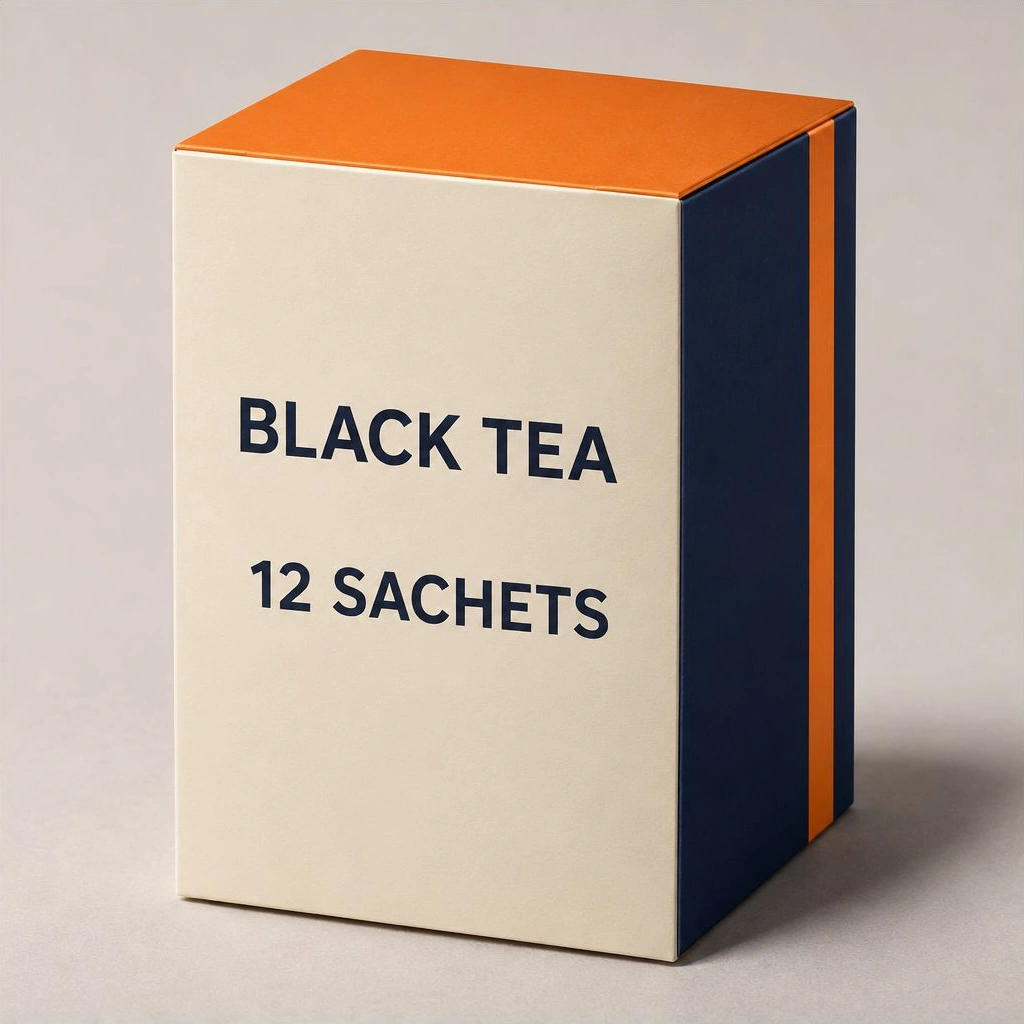 | 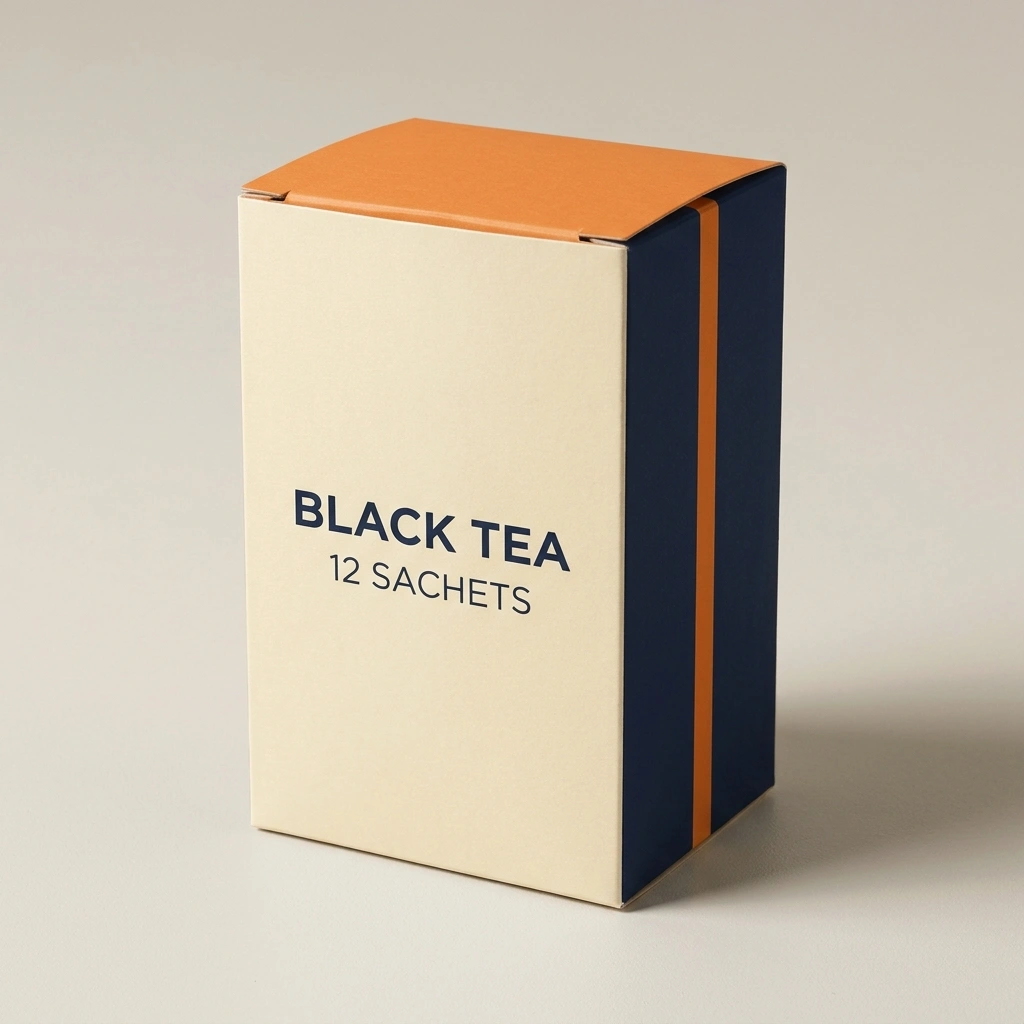 |
Both cartons say BLACK TEA and 12 SACHETS, have straight box edges and keep the orange lid free of print. GPT Image puts the stripe near the outside edge of the navy panel. Nano Banana moves it toward the middle, which changes the packaging design.
Both would need another pass for a product page that requires the whole shadow. Each shadow runs out of the frame on the right.
Access and pricing
Images 2.6 is available across ChatGPT plans. To select Sunburst explicitly, use the OpenAI Images playground. In Gemini, paid Google AI plans include Nano Banana 2.1. The free plan lists Nano Banana 2. AI Studio lets you select the exact model used here.
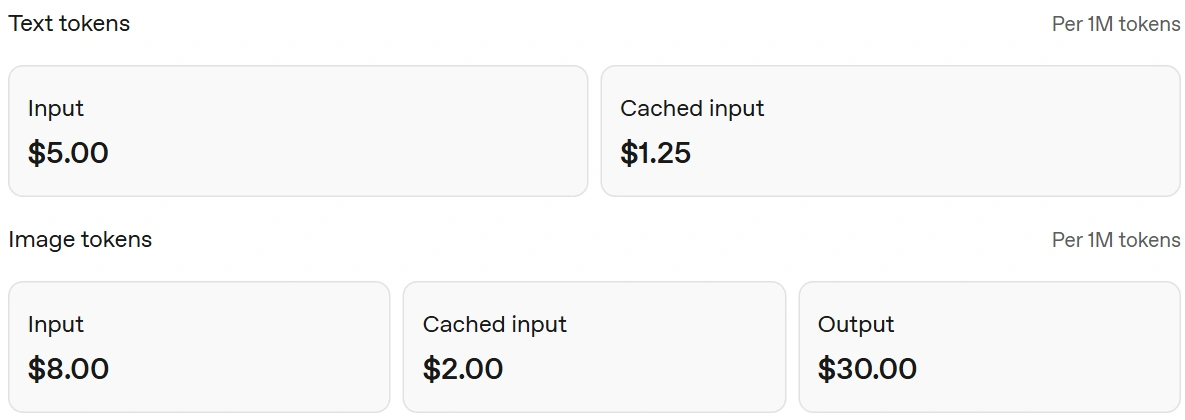
Both developers list $30 per million image-output tokens. For Sunburst, text input costs $5 and image input $8 per million tokens. Google charges $1.50 per million input tokens and $7.50 per million text or thinking output tokens.
Google’s standard 1K image accounts for $0.0336 of a request before input and thinking charges. Nano Banana 2.1 has paid API access. App subscriptions are billed separately. To compare the cost of a finished carton, include any retries needed to fix the artwork or shadow.
Which image model should you choose?
For a product mockup with fixed artwork, or a game scene with a strict list of objects, I’d start with Sunburst. The extra dish in Nano Banana’s greenhouse is easy to miss until you compare the picture with the brief.
Nano Banana is worth trying when you need to combine several references or use search to guide a scene. For a standalone sports image, choose whichever composition you prefer. For a teaching diagram, inspect the connection the picture is supposed to explain. One image per brief leaves the consistency of these results open.
Frequently Asked Questions
Which GPT Image 2.6 variant did you test?
Sunburst, at medium rendering quality, with complexity left at its default High setting.
Can I run both models in a browser?
Yes. Select Sunburst in OpenAI’s Images playground and Nano Banana 2.1 in Google AI Studio.
Which model handled packaging text better?
Both reproduced the two lines correctly. GPT Image placed the side stripe closer to the requested edge.
Does $0.0336 cover a full Nano Banana request?
It covers a standard 1K output image. Input, thinking and any search charges can add to the total.